The Hidden Cause of Furnace Failure: Why High-Quality Refractory Mortar Matters
Sep 17, 2026Quick Answer for Maintenance Teams: In brick-lined industrial furnaces, the joints are the most vulnerable points for heat loss, gas leakage, and molten slag penetration. Using premium, precisely matched Refractory Fire Mortar ensures a solid seal that accommodates thermal expansion while preventing corrosive attacks. A high-quality mortar transforms individual refractory bricks into a unified structural shield, preventing premature lining collapse.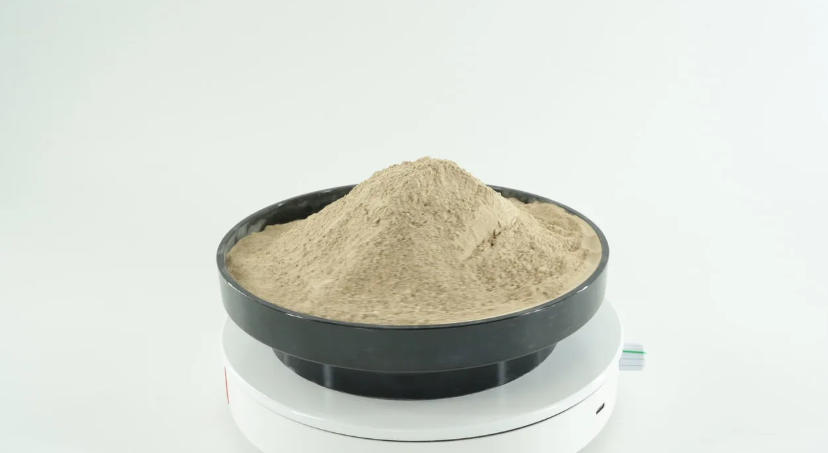
Introduction When designing or relining an industrial furnace, engineers spend massive amounts of time selecting the perfect refractory bricks or castables. However, the most critical element of a brick lining is often overlooked: the mortar used to bind them together.
A furnace lining is only as strong as its weakest link, and in traditional masonry, the joints are the weak link. If a subpar mortar is used, it will shrink, crack, or melt under extreme temperatures. This creates pathways for molten metal, highly corrosive gases, and severe heat to attack the furnace shell, leading to catastrophic equipment failure and costly production halts.
3 Critical Functions of Premium Refractory Mortar
1. Sealing Against Slag and Corrosive Gases In environments like steel ladles or glass melting furnaces, molten materials and alkali vapors aggressively seek out cracks. If the mortar joints fail or erode faster than the bricks, liquid slag will penetrate these gaps. This phenomenon forces the bricks apart and accelerates internal chemical corrosion. A high-grade fire clay or high-alumina mortar provides exceptional corrosion resistance, sealing the joints entirely and preventing destructive penetration.
2. Accommodating Thermal Expansion Industrial furnaces undergo intense thermal cycling. As temperatures rise, refractory bricks expand. If the binding material is too rigid or lacks the correct thermal properties, this expansion will cause the bricks to crush each other or spall. Specialized mortars are engineered to possess the exact same thermal expansion coefficient as the bricks they bind, absorbing thermal stress and preventing structural buckling.
3. Sintering into a Monolithic Barrier The goal of industrial masonry is not just to stack bricks, but to create a unified barrier. Advanced refractory mortars are designed to sinter (fuse) at specific high temperatures. Once the furnace reaches its operating temperature, the mortar chemically bonds with the bricks, effectively transforming a jointed wall into a highly durable, monolithic refractory structure with immense mechanical strength.
Partner with Dysen Industrial for Complete Furnace Solutions Mismatched refractory materials are a primary cause of rapid lining degradation. Shanghai Du Yusen Industrial (Dysen Industrial) manufactures not only premium bricks but also the specific fireproof mortars required to bind them securely.
Whether you need high-alumina mortar for extreme heat, acid-resistant binders for chemical reactors, or high-performance Refractory Castables for complex geometries, our engineering team ensures that every component of your lining is chemically and thermally compatible. Dysen Industrial provides ready-to-use, high-adhesion mortars that simplify onsite construction and maximize the lifespan of your thermal equipment.
Don't let weak joints compromise your furnace. Contact the Dysen Industrial technical team today to find the perfect refractory mortar match for your next relining project.
Tel : +86 1850 168 9323
Email : dysenindustrial@gmail.com
Skype : +86 199 9192 1006
Whatsapp : +86 185 0168 9323
Address : Room D50, 5th Floor, Building B, Building 18, No. 505, Xinbei Road, Minhang District, Shanghai


© 2026 Shanghai Du Yusen Industrial Co., Ltd All Rights Reserved.


 EN
EN HI
HI